
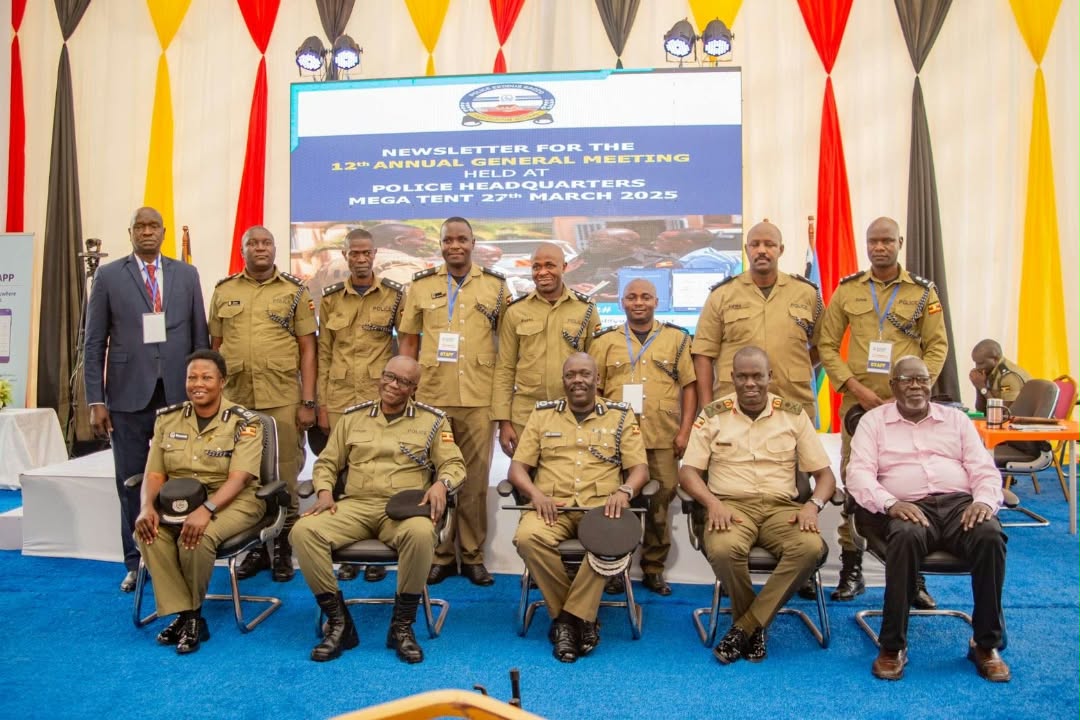
A whistleblower has appealed to President Yoweri Kaguta Museveni to intervene in an alleged leadership dispute at Exodus Savings and Credit Cooperative Society Limited (Exodus SACCO), raising concerns about a reported plan to remove the institution’s current leaders through a Special General Meeting.
In a report addressed to President Museveni, the whistleblower alleges that efforts are underway to discredit and remove several top officials of the SACCO, despite what the source describes as significant financial growth under the current leadership. The report calls on the President to ensure that any leadership changes follow transparent and lawful procedures and do not undermine the institution’s stability.
Exodus SACCO is a financial cooperative established on September 19, 2007, to serve personnel and families of the Uganda Police Force (UPF). Registered with the Ministry of Trade, Industry and Cooperatives under registration number 8404/RCS, the institution is headquartered at Uganda Police Headquarters in Naguru, Kampala. According to the information presented in the report, it serves more than 43,000 members through over 13 branches across the country.
The SACCO is chaired by Senior Commissioner of Police (SCP) Dr. Omoding Wilson Otuna. However, the whistleblower claims that several members of the institution’s leadership and management are allegedly being targeted in efforts to change the current leadership through a Special General Meeting.
Those reportedly affected include SUPBO AIGP Namutebi Hadijah, Board Chairperson SCP Dr. Omoding Wilson Otuna, Treasurer SP Ssekanjako, Chief Executive Officer SP Ashaba Osbert, ASP Maale Arnold and other management officials.
The whistleblower further alleges that the Inspector General of Police (IGP), SP Adilu, his personal assistant and ACP Emitu are involved in efforts to mobilise delegates for the proposed meeting. According to the report, the meeting could be used to replace the existing leadership with individuals preferred by those allegedly seeking the changes.
The allegations have not been independently verified, and the information available does not include responses from the individuals mentioned. The claims should therefore be treated as allegations requiring further examination rather than established findings of wrongdoing.
One of the central issues raised in the report is the SACCO’s reported financial growth. The whistleblower claims that the institution’s capital base has increased from approximately UGX 3 billion to UGX 104 billion under the current leadership.
The source argues that this reported growth should be considered when assessing the institution’s leadership and that any proposed changes should be guided by performance, accountability and the interests of members. The financial figures would, however, require independent verification through official records.
The report also raises concerns about the possible consequences of the leadership dispute for an agricultural production capitalisation programme that President Museveni had previously supported. According to the whistleblower, prolonged disagreements within the SACCO could interfere with the programme’s implementation and affect other development initiatives intended to benefit members.
With a reported membership exceeding 43,000 people, the whistleblower argues that the dispute should not be viewed merely as a disagreement among officeholders. The source maintains that uncertainty surrounding the institution’s governance could affect members’ confidence and disrupt programmes linked to its financial and economic objectives.
The report consequently asks President Museveni to intervene and provide guidance before the alleged dispute escalates. It calls for delegates to be allowed to exercise their decision-making powers freely and without improper pressure, while any complaints against existing leaders are handled through established institutional procedures.
Another key request is for the current leadership to be allowed to complete its contractual tenure, provided it continues to comply with applicable laws, regulations and governance requirements. The whistleblower argues that maintaining stability would allow the institution’s management to continue implementing its plans while addressing any legitimate concerns through the appropriate channels.
The report further urges the relevant authorities to safeguard the agricultural production capitalisation programme and other development initiatives associated with the SACCO. It argues that internal disagreements should not derail projects intended to strengthen the cooperative and support its members.
The whistleblower emphasises transparency, accountability and respect for established procedures, arguing that any proposed leadership changes should be based on legitimate grounds rather than pressure or manipulation. The allegations, however, require objective examination, with all relevant parties given an opportunity to respond.
The report presents the dispute as an issue extending beyond individual officeholders, pointing to the SACCO’s reported financial growth, nationwide branch network and substantial membership. It asks the President to consider these issues alongside any legitimate concerns about the institution’s governance.
The whistleblower concludes by urging President Museveni to provide timely guidance and ensure that the dispute is handled in accordance with established laws, regulations and procedures. The report maintains that the interests of SACCO members should remain central to any decisions concerning the institution’s leadership.
The key issues now requiring clarification include the circumstances surrounding the proposed Special General Meeting, the accuracy of the reported capital growth, the future of the agricultural production capitalisation programme and the responses of the individuals named in the allegations.