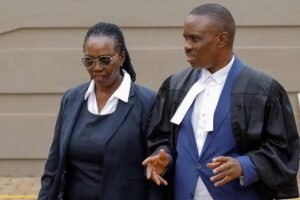

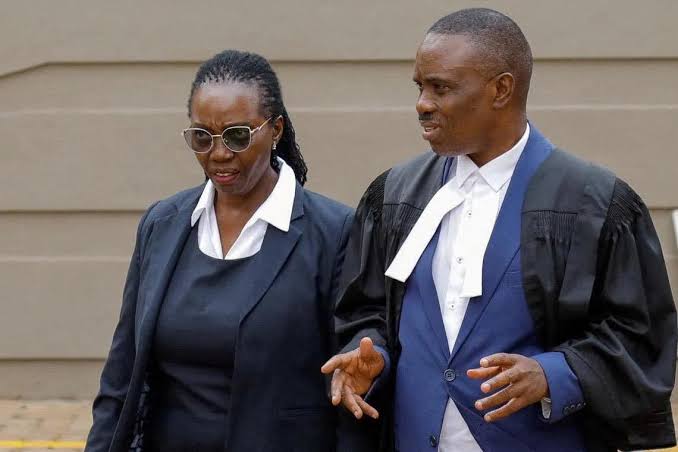
The legal battle surrounding jailed opposition politician Dr Kizza Besigye has taken a new twist after prominent Kenyan lawyer and Senior Counsel Martha Karua dragged the Ugandan government to court over her deportation and subsequent declaration as persona non grata. Karua argues that the government’s actions have interfered with her professional responsibilities and ability to represent Besigye in his ongoing treason trial.
Karua has filed the lawsuit jointly with the Uganda Law Society (ULS), challenging the circumstances under which she was denied entry into Uganda. The case names the Attorney General as a respondent and seeks legal redress over the decision that effectively blocked the Kenyan lawyer from accessing the country.
The legal challenge stems from an incident on June 22, 2026, when Karua was reportedly stopped by immigration officials at Entebbe International Airport and denied permission to enter Uganda. The decision was made by the Principal Immigration Officer, prompting concerns from Karua and members of Uganda’s legal fraternity.
Karua maintains that the deportation has made it difficult for her to fulfil her professional obligations, particularly her involvement in Besigye’s defence. The Kenyan legal expert has been part of efforts to ensure that the opposition politician receives legal representation as he faces serious criminal charges before Ugandan courts.
Besigye’s case has attracted considerable attention both within Uganda and internationally, with questions being raised about his detention, trial and access to legal representation. Karua’s involvement has further increased regional interest in the proceedings, given her reputation as an experienced lawyer and prominent human rights advocate.
By joining Karua in the lawsuit, the Uganda Law Society has also placed the country’s legal profession at the centre of the dispute. The case raises important questions about the powers of immigration authorities, the rights of foreign lawyers seeking to represent clients in Uganda and the professional independence of advocates involved in politically sensitive cases.
The applicants are seeking judicial intervention over the decision to deny Karua entry and declare her persona non grata. They argue that the restrictions have affected her ability to participate in legal proceedings involving a client she has been engaged to represent, making the dispute an important matter for both the legal profession and access to justice.
The outcome of the case could have far-reaching implications for Karua’s participation in Besigye’s defence and the broader question of foreign legal practitioners representing clients in Uganda. It could also provide an opportunity for the courts to examine the legality of the immigration decision and establish how far authorities can go when restricting foreign lawyers seeking to perform their professional duties.