



Author: BIG EYE ADMIN


Sleep is one of the most critical yet often overlooked aspects of a healthy lifestyle. Research shows that quality sleep affects almost every system in the body, influencing physical health, mental well-being, memory, and productivity. Adults generally need seven to nine hours of sleep per night, but busy schedules, stress, and technology often interfere with achieving this essential rest. Poor sleep can lead to a range of problems, from fatigue and mood swings to reduced cognitive function and a weakened immune system. On the other hand, adequate rest enhances concentration, creativity, and problem-solving skills. Studies also indicate that consistent sleep…

In a world full of distractions, excess, and endless consumerism, minimalism offers a path to greater happiness and fulfillment. At its core, minimalism is about intentionally focusing on what truly matters and letting go of things that don’t add value to your life. This doesn’t mean living in extreme austerity, but rather prioritizing quality over quantity—whether it’s possessions, commitments, or even digital clutter. Adopting a minimalist lifestyle can have a profound impact on mental well-being. Reducing physical clutter helps create a calmer, more organized living space, which in turn lowers stress and anxiety. Minimalism also encourages mindful consumption, prompting people…

Academic success is often measured by grades and test scores, but research shows that emotional intelligence (EI) plays an equally important role in student achievement. Emotional intelligence—the ability to understand, manage, and express emotions effectively—helps students navigate challenges, communicate with peers and teachers, and stay motivated even in stressful situations. Students with high EI are better equipped to handle setbacks, resolve conflicts, and maintain focus, all of which contribute to stronger academic performance. In the classroom, emotionally intelligent students tend to participate more actively, collaborate better on group projects, and respond positively to feedback. They are also more likely to…
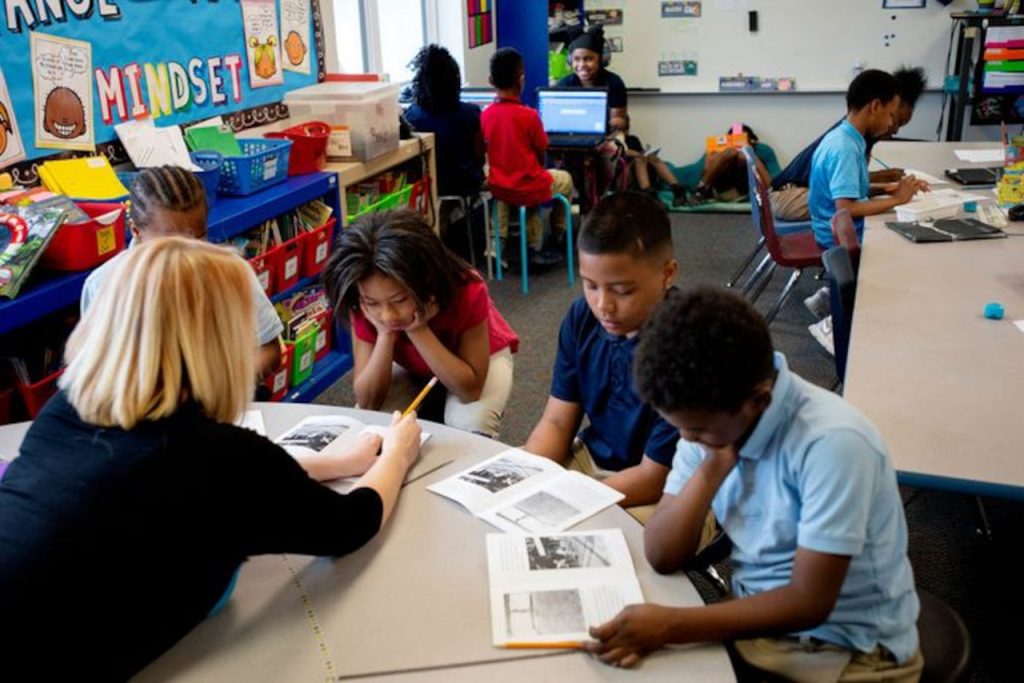
Technology is changing the way students learn, making education more interactive, accessible, and personalized. Tools like tablets, educational apps, and online platforms give learners instant access to information, letting them study at their own pace and revisit tricky topics as needed. Collaboration has also improved thanks to platforms like Google Classroom and Zoom, where students can work together, participate in discussions, and get real-time feedback from teachers. Gamified apps and AI-driven learning tools make lessons more engaging and help students retain information better. However, challenges remain. Overreliance on technology can reduce social interaction, and unequal access to devices or reliable…

Technology has fundamentally transformed the way students learn, offering both opportunities and challenges for modern education. From interactive whiteboards and tablets to educational apps and online resources, technology provides students with instant access to information and diverse learning materials. This accessibility allows learners to explore subjects at their own pace, revisit challenging concepts, and engage with content in ways that suit different learning styles. Digital tools also promote active and collaborative learning. Platforms like Google Classroom, Zoom, and educational forums enable students to work together on projects, participate in discussions, and receive feedback from teachers in real time. Gamified learning…

Online learning has rapidly transformed the education landscape, offering unprecedented opportunities for students and educators alike. With the rise of digital platforms, virtual classrooms, and interactive tools, learning is no longer confined to traditional school settings. Students can now access courses from top universities around the world, participate in live lectures, and engage with peers through collaborative platforms—all from the comfort of their homes. One of the biggest advantages of online learning is flexibility. Learners can set their own pace, revisit lessons, and tailor their education to suit personal schedules and learning styles. This approach has opened doors for non-traditional…

Artificial Intelligence is already part of your daily routine, from the music you listen to, to the smart assistant that answers your questions. It learns your habits, predicts your needs, and makes life smoother—often without you noticing. At work, AI automates tasks, analyzes data, and helps businesses make smarter choices. At home, it powers smart devices, fitness apps, and personalized recommendations. While AI brings convenience, it also raises questions about privacy, bias, and jobs. Handled responsibly, though, it promises a smarter, more connected future.

From the music you stream to the smart assistant answering your questions, AI is everywhere. It learns your habits, predicts your needs, and quietly makes life easier. At work, AI spots patterns, automates tasks, and helps businesses make smarter decisions. At home, it powers smart devices, fitness apps, and personalized recommendations. But with convenience comes responsibility. Privacy, bias, and job shifts are real concerns—but handled right, AI could make our world smarter, faster, and more connected than ever. The future isn’t coming—it’s already here. And AI is leading the way.

Artificial Intelligence (AI) is no longer just a futuristic idea—it’s already part of your daily routine. From the playlists Spotify suggests to the smart assistants that answer your questions, AI is everywhere, learning from our behavior and making life just a bit easier every day. In the workplace, AI is transforming how we get things done. It can crunch massive amounts of data, spot patterns humans might miss, and even automate repetitive tasks. Doctors are using AI to detect diseases faster, businesses are predicting trends more accurately, and delivery services are optimizing routes—all thanks to intelligent algorithms working behind the…
Artificial Intelligence (AI) is no longer just a concept in science fiction—it is increasingly becoming a part of our daily routines. From voice assistants like Siri and Alexa to recommendation systems on Netflix and Spotify, AI is quietly transforming the way we interact with technology. Its ability to process vast amounts of data, recognize patterns, and make decisions is changing how we work, communicate, and even shop. In the workplace, AI is revolutionizing productivity. Automation tools can handle repetitive tasks, analyze large datasets in seconds, and even generate insights that help businesses make smarter decisions. Industries such as healthcare, finance,…