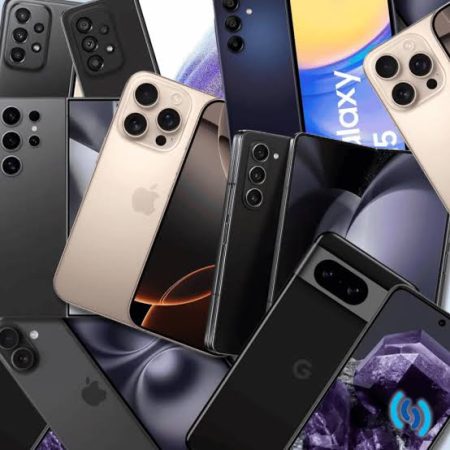
Mobile technology has become an increasingly important tool in education, transforming the way students learn and teachers instruct. Smartphones, tablets, and educational apps provide instant access to information, digital textbooks, and interactive learning platforms, allowing students to study anytime and anywhere. Mobile devices support a range of learning styles, from visual and auditory resources to interactive quizzes and collaborative online projects, making education more engaging and personalized.
The use of mobile technology in classrooms also enhances communication and collaboration. Teachers can share assignments, resources, and feedback through apps and learning management systems, while students can work together on group projects, participate in discussions, and seek help in real time. Mobile devices also support blended and remote learning, ensuring continuity of education even outside traditional school settings. This flexibility is particularly valuable in reaching students in remote areas or those with limited access to educational resources.
Despite its advantages, mobile technology presents challenges in education. Excessive use can lead to distractions, reduce face-to-face interaction, and contribute to digital fatigue. Teachers and students must establish guidelines for appropriate use, balancing educational benefits with responsible screen time. Ensuring equal access to devices and reliable internet is also essential to prevent widening the digital divide among students from different socioeconomic backgrounds.
In conclusion, mobile technology has reshaped education by making learning more accessible, interactive, and collaborative. When integrated thoughtfully into teaching and study routines, it enhances knowledge acquisition, communication, and engagement, preparing students for success in an increasingly digital world.