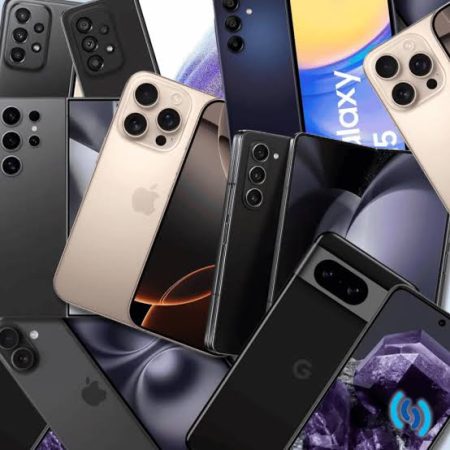
Mobile phones have undergone a remarkable transformation since their invention, evolving from simple devices for voice communication into powerful smart technology that permeates nearly every aspect of daily life. The earliest mobile phones, introduced in the 1970s and 1980s, were bulky, expensive, and primarily used for making calls. Over time, advances in technology made phones smaller, more affordable, and widely accessible, allowing people to stay connected wherever they went.
The introduction of smartphones in the early 2000s marked a major turning point in mobile technology. These devices combined communication, computing, and entertainment in a single compact tool. Smartphones now offer internet access, high-resolution cameras, GPS navigation, and a multitude of apps that serve countless purposes—from banking and shopping to social media and video streaming. The shift from simple phones to multifunctional smart devices has changed the way people work, socialize, and manage everyday tasks.
This evolution has also had a profound impact on society. Mobile phones have increased global connectivity, enabling instant communication across continents and creating new opportunities for business, education, and social interaction. They have also become essential tools for information sharing, emergency alerts, and personal organization, making them indispensable in modern life. However, the constant connectivity that smartphones provide can also contribute to distractions, overuse, and concerns about privacy and mental health.
In conclusion, the evolution of mobile phones from basic calling devices to sophisticated smart technology illustrates the rapid pace of innovation in the modern era. These devices have transformed communication, work, and entertainment, becoming central to everyday life. As mobile technology continues to advance, it will likely bring even more ways to enhance convenience, connectivity, and access to information, shaping the way people live and interact in the future.