


The National Water and Sewerage Corporation (NWSC) has embarked on a major Shs694 billion water and sanitation project expected to ease the persistent shortage of clean water in communities surrounding Kampala. The Wakiso West Water and Sanitation Project will extend reliable water services to more than one million people in Wakiso, Kyengera, Kajjansi, Mpigi and other neighbouring areas. The initiative is part of the government’s efforts to improve access to essential services in rapidly growing urban and peri-urban communities.
The project will use Lake Victoria as its main water source, with a new intake facility to be established at Bwerenga. Its coverage will include Nsangi, Kasanje, Kiringente, Wakiso Town Council and Mpigi Town Council, alongside several communities along the Entebbe Road corridor and areas connecting Entebbe, Masaka and Mityana roads. NWSC estimates that approximately 160,000 people living in informal settlements will benefit, particularly communities that have faced difficulties accessing affordable and dependable water supplies.
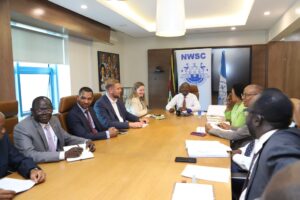
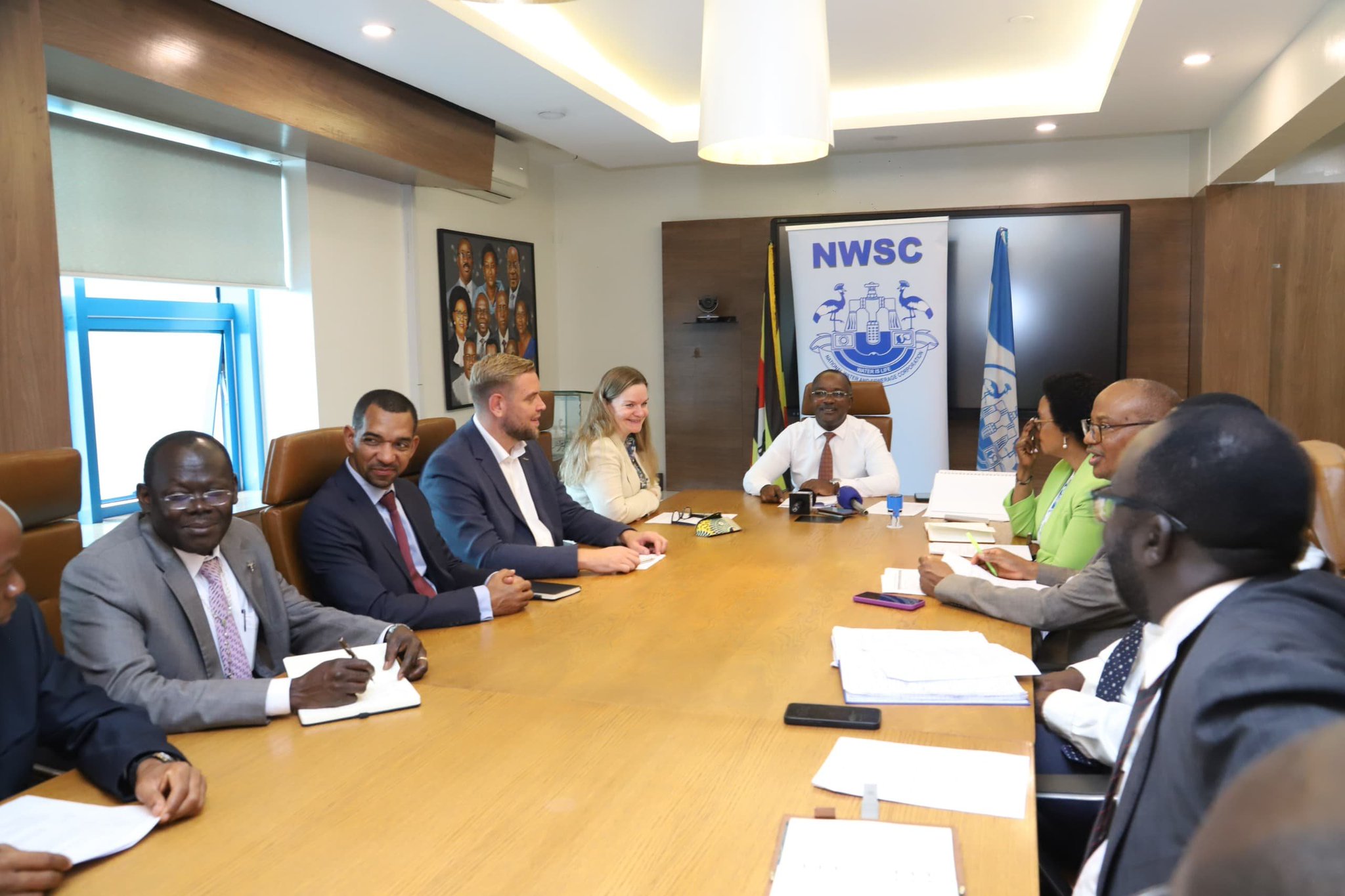
Implementation preparations have started following the signing of a consultancy contract valued at approximately Shs47.5 billion. The contract was awarded to a joint venture between Danish company NIRAS A/S and German engineering firm Fichtner GmbH & Co. KG, supported by Ugandan sub-consultants M&E Associates Ltd and Alliance Consultants Ltd. The team will handle the technical designs, prepare bidding documents and oversee construction to ensure that the project is implemented according to the required standards.
The proposed infrastructure will include a treatment plant at Bwerenga capable of producing 62.5 million litres of treated water every day. The lake intake system will have the capacity to draw up to 200 million litres daily. NWSC will construct 94.2 kilometres of transmission pipelines and 78.5 kilometres of secondary distribution pipes to transport water to different communities. Five reservoirs will be established at Kaga, Nsangi, Nanziga, Mpigi and Bukasa, with a combined storage capacity of more than 15.25 million litres. Additional pumping stations will be constructed at Buloba, Katende, Maya and Ssekiwunga.
NWSC Managing Director Dr Silver Mugisha said the project is an important response to the increasing demand for water across Greater Kampala. He noted that rapid population growth and the expansion of residential areas have placed considerable pressure on existing water infrastructure. Kampala’s main treatment facilities at Ggaba and Katosi are located on the eastern side, meaning western communities depend on long distribution routes to receive water. This has contributed to unreliable supply in areas such as Kyengera, Mutundwe, Lubowa, Buziga and Munyonyo, where some residents have resorted to buying water from wells at between Shs1,000 and Shs2,000 per jerrycan.
In an effort to ensure that vulnerable communities are not left behind, NWSC will install 941 community water dispensers and prepaid yard taps in selected informal settlements. The facilities will benefit residents in Kimbejja, Katereke, Kisozi/Kitemu, Nsangi, Kasenge, Kikajjo, Bweya, Kitende, Namulanda, Ssisa, Wamala and other surrounding communities. Through electronic prepaid systems, residents will be able to access water more conveniently while controlling how much they spend. The intervention is expected to reduce dependence on potentially unsafe water sources and improve living conditions in underserved neighbourhoods.
The investment will also address sanitation problems through the construction of a faecal sludge treatment plant along Ssekiwunga Road in Kajjansi. The facility will be able to handle at least 400,000 litres of faecal sludge daily, helping prevent improper waste disposal and reducing the risk of contamination of rivers and groundwater. Solar installations with a generation capacity of at least 2,945 kilowatts will also be established at selected locations to support energy efficiency and sustainable project operations.
The Wakiso West project joins other major NWSC infrastructure developments targeting improved water access in the Greater Kampala area and across Uganda. Among them is the expansion of the Katosi treatment plant from 160 million litres to 240 million litres daily, alongside Package 2B, which involves laying approximately 70 kilometres of large water pipelines and constructing reservoirs to extend supply to more communities. Nationally, NWSC serves an estimated 22 million people through more than one million connections in 287 towns, having expanded from just 23 towns in 2013. Under its 2025–2030 strategic plan, the corporation aims to increase the number of people served to 26 million by 2030.